
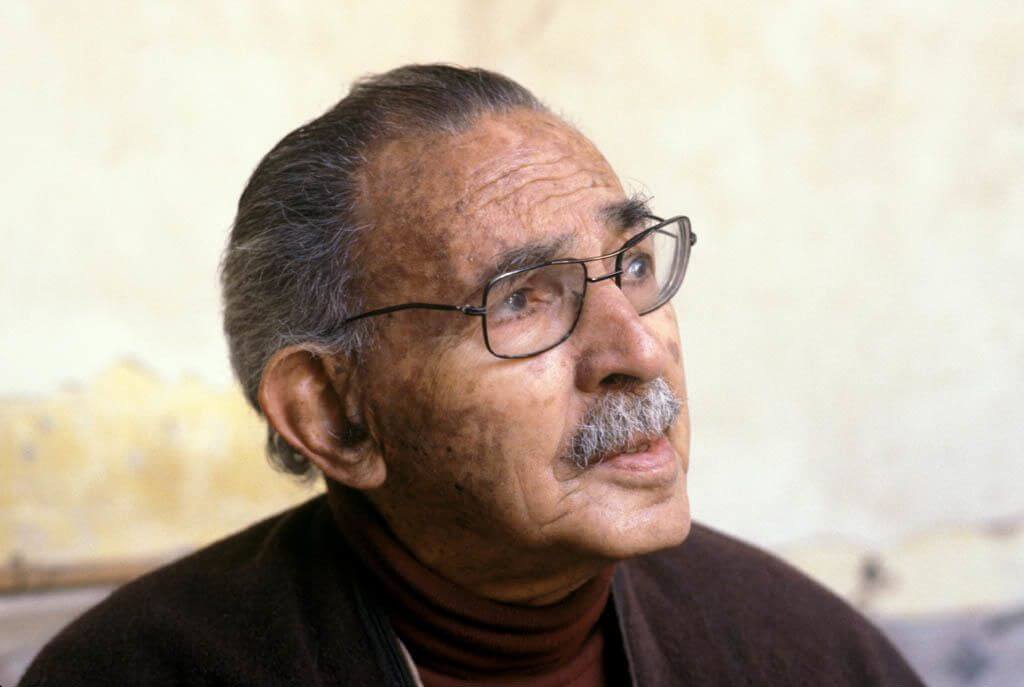
Hassan Fathy (1900–1989) stands as one of the most influential architects of the 20th century, particularly for his dedication to creating humane, affordable, and culturally rooted built environments in developing regions. An Egyptian architect, engineer, professor, and visionary, Fathy rejected the imposition of Western modernist materials and forms in favor of reviving indigenous traditions—especially the use of adobe (mud bricks), vaulted roofs, and passive cooling techniques suited to hot-arid climates.
Core Philosophy and Principles
Fathy’s approach was deeply humanistic and anti-colonial. He believed architecture should prioritize:
- Human values above all in design decisions
- A universal yet context-specific outlook rather than imported limited models
- Appropriate technology — using what’s locally available and affordable
- Socially oriented, cooperative construction — empowering communities to build their own homes
- The essential role of tradition in fostering cultural pride
- Re-establishing dignity through the art of building
His famous quote captures this ethos perfectly: “Build your architecture from what is beneath your feet.”
He viewed tradition as the social equivalent of personal habit—something organic, evolving, and deeply tied to people’s way of life.
Iconic Projects and Innovations
Fathy designed nearly 160 projects, ranging from private residences to entire planned communities complete with schools, markets, theaters, mosques, and essential services.
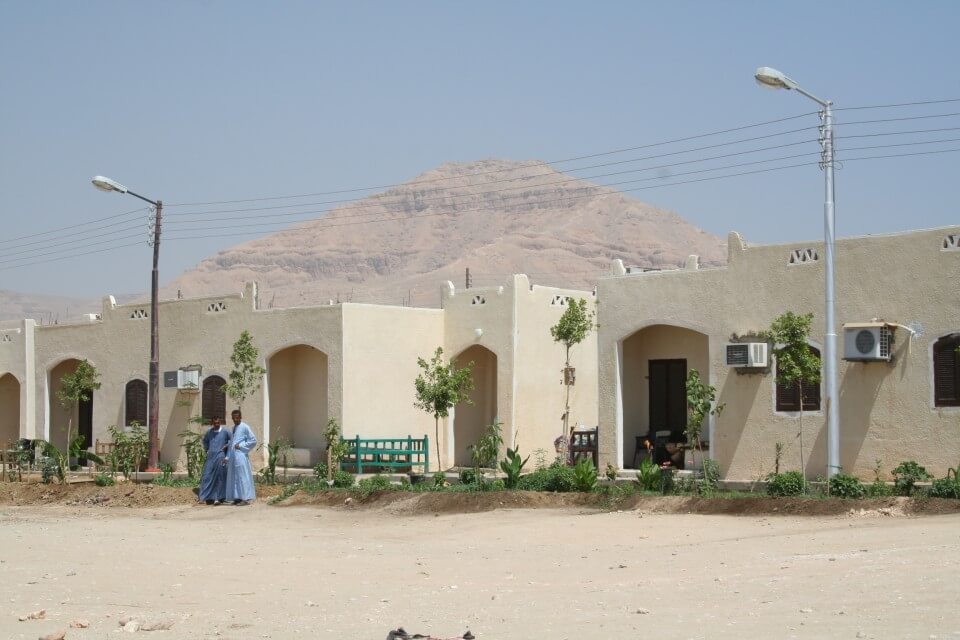
His most celebrated work is New Gourna Village (near Luxor, Egypt), documented in his influential book Architecture for the Poor. Relocating residents from antiquities-threatened sites, Fathy collaborated directly with villagers to create homes using:
- Mud bricks for catenary vaults and domes
- Thick walls for thermal insulation
- Small, strategically placed windows to minimize solar gain
- Wind catchers (malqaf) for natural ventilation
- Qanat-like evaporative cooling systems (water channels + cloth curtains)
- Courtyards with greenery to filter dust and wind
- Mashrabiya screens to control glare and privacy
He deliberately avoided reinforced concrete (RCC) and steel due to their high heat radiation and cost in rural settings. Instead, locals were trained in traditional techniques, making construction participatory and economical.
Other notable projects include:
- New Baris Village (Kharga, Egypt)
- Hamdi Seif al-Nasr House (Fayum, Egypt)
- Andreoli Residence and Shahira Mehrez Apartment (Cairo, Egypt)
- Dar Al Islam (New Mexico, USA)
- Various residences in Jordan, Kuwait, and Saudi Arabia
Relevance to Contemporary Architecture in Pakistan
Fathy’s work offers timeless lessons for architects in Pakistan, where extreme climates, resource constraints, and rich vernacular heritage (from mud structures in Balochistan and Punjab to courtyard homes in Sindh) meet modern demands. His emphasis on low-cost, low-carbon materials, passive environmental strategies, and community involvement aligns closely with sustainable design goals today—reducing reliance on energy-intensive imports while honoring cultural identity.
In projects across Rawalpindi, Islamabad, and Azad Kashmir, architects can draw inspiration from Fathy’s methods: integrating local materials, designing for natural ventilation and shading, and involving clients/communities in the process to create buildings that are not only functional but spiritually and culturally resonant.
Hassan Fathy received global recognition, including the UIA Gold Medal and the Aga Khan Chairman’s Award for Architecture (1980). His legacy continues to inspire architects worldwide to design with empathy, tradition, and environmental intelligence.
Watch the tribute video here: Hassan Fathy – YouTube
At NZ Architects Pakistan, we admire visionaries like Fathy who prove that great architecture doesn’t require extravagance—it requires respect for people, place, and planet.